
We often think about ageing in terms of wrinkles, grey hair or a few extra kilos around the middle. But one of the most significant changes happening inside our bodies is something we can’t necessarily see – the gradual loss of muscle.
For women in their 40s, 50s and beyond, maintaining muscle is about much more than looking toned. It’s about staying strong, mobile, independent and healthy for as long as possible. And while strength training and good nutrition are essential, there’s another tool attracting increasing attention: creatine.
So, what happens to our muscles as we age, why does it matter, and could something as simple as a daily creatine supplement make a difference?
The muscle we’re quietly losing
From around our 30s, we begin to gradually lose muscle mass and strength. This process, known as sarcopenia when it becomes clinically significant, can accelerate as we get older, particularly if we’re not physically active.
For women, the hormonal changes associated with perimenopause and menopause can make maintaining muscle more challenging. Declining oestrogen levels affect muscle function, recovery and the way our bodies store fat.
This helps explain why many women notice changes in their body shape during midlife, even when their eating and exercise habits haven’t changed significantly.
But losing muscle isn’t simply a cosmetic issue.
Our muscles are essential for everyday activities – climbing stairs, carrying shopping, gardening, playing sport and getting up off the floor. They also play a major role in our metabolism, blood sugar regulation and overall physical resilience.
As muscle strength declines, the risk of falls, fractures, frailty and loss of independence increases.
In other words, maintaining muscle is one of the most important investments we can make in our future health.
Why muscle matters more than the number on the scales
For years, the conversation around women’s health has focused heavily on weight loss.
But as we age, body composition, the proportion of muscle and fat we carry becomes increasingly important.
Muscle is metabolically active tissue. It helps our bodies use glucose efficiently, supports healthy blood sugar levels and contributes to our daily energy requirements.
Having more muscle doesn’t automatically mean we’ll lose weight, but it can improve metabolic health and make it easier to maintain physical function as we get older.
There’s also an important connection between muscle and bone health. Resistance training places healthy stress on our bones, helping maintain bone density at a time when women face an increased risk of osteoporosis.
The goal, then, shouldn’t simply be to weigh less. It should be to stay strong, capable and physically confident for as many years as possible.
Where does creatine come in?
Creatine is a naturally occurring compound produced by our bodies and found in foods such as meat and fish.
Most of it is stored in our muscles, where it helps regenerate a molecule called ATP – the body’s immediate energy source for short bursts of intense activity.
Think lifting weights, climbing a steep hill or sprinting across a tennis court.
Creatine supplements increase the amount of creatine stored in our muscles, allowing them to replenish energy more efficiently during high-intensity exercise.
It’s one of the most extensively researched sports supplements available, and while it has traditionally been associated with bodybuilders and athletes, researchers are increasingly interested in its potential benefits for older adults and women.
What does the research say about creatine and ageing?
The strongest evidence for creatine relates to its ability to support improvements in strength and lean muscle mass when combined with resistance training.
Studies involving older adults suggest that taking creatine alongside a structured strength-training programme can produce greater gains in muscle strength and lean tissue than training alone.
This is particularly relevant as we age, when maintaining muscle becomes more difficult.
There is also growing interest in creatine’s potential effects on brain health, memory, fatigue and cognitive performance. Some early research is promising, particularly in situations involving sleep deprivation or increased mental demands.
However, these benefits are not yet as well established as creatine’s effects on exercise performance and muscle strength.
For women going through perimenopause and menopause, the research is encouraging, although studies specifically involving this group remain relatively limited.
Importantly, creatine doesn’t prevent menopause-related muscle loss on its own, and it isn’t a substitute for exercise. Its greatest value appears to be in helping us get more from the strength training we’re already doing.
Will creatine make me gain weight?
This is often one of the first questions women ask.
Creatine can cause a small increase in body weight, particularly when you first start taking it. But this is generally due to increased water stored within the muscles rather than an increase in body fat.
In fact, this extra water is part of how creatine works.
Over time, when combined with resistance training, creatine may help support increases in lean muscle mass.
So, while the scales might move slightly upwards, that doesn’t necessarily mean your body composition is moving in the wrong direction.
It’s another good reason to look beyond weight alone when measuring our health and fitness.
How much creatine should women take?
The most researched form is creatine monohydrate. It’s widely available, relatively inexpensive and doesn’t require complicated supplementation routines.
For most healthy adults, a daily dose of 3–5 grams is commonly used.
There’s generally no need for a loading phase, which involves taking larger doses for several days. Taking a consistent daily dose will gradually increase muscle creatine stores over a few weeks.
Creatine can be mixed into water or another drink (I put mine into my morning coffee), and can be taken at any time of day.
Consistency matters more than timing.
Research supports the safety of recommended doses in healthy adults, although anyone with kidney disease or other significant medical conditions should seek medical advice before starting.
Creatine is only part of the picture
As promising as creatine is, it isn’t a magic solution.
Maintaining muscle through midlife and beyond requires a combination of good nutrition, regular physical activity and adequate recovery.
Three things are particularly important:
- Strength training: Lifting weights or doing other forms of resistance exercise two to three times a week helps maintain and build muscle. The exercises need to be sufficiently challenging, and ideally become progressively harder as strength improves.
- Protein: Our bodies become less efficient at using dietary protein to build muscle as we age. Eating sufficient protein throughout the day, particularly alongside strength training, helps support muscle maintenance and repair.
- Regular movement: Walking, cycling, swimming, tennis, gardening and other activities help maintain cardiovascular health, balance, mobility and overall wellbeing.
Sleep and recovery also matter. Our muscles need time to repair and adapt to exercise.
Creatine can complement these habits, but it can’t replace them.
It’s never too late to start
Perhaps the most encouraging message from research into muscle and ageing is that we can improve our strength at almost any age.
Even people in their 70s, 80s and beyond can make meaningful gains through appropriately designed resistance-training programmes.
For women in their 40s and 50s, this presents an opportunity to get ahead of the changes that often accompany ageing.
Rather than accepting declining strength, reduced energy and increasing physical limitations as inevitable, we can take practical steps to protect our future health.
And it’s not necessarily about spending hours in the gym.
A few well-planned strength sessions each week, enough protein, regular movement and potentially a daily creatine supplement can all contribute to maintaining muscle and physical function.
Strong for life
We talk a lot about living longer, but perhaps we should spend more time talking about living well for longer.
Being able to travel, play with grandchildren, enjoy sport, explore the outdoors, carry our own bags and remain independent are things many of us hope to continue doing well into older age.
Muscle is central to making that possible.
Creatine is an interesting and increasingly well-supported addition to the conversation, particularly for women navigating the physical changes of midlife.
But the bigger message is simple.
We don’t have to accept becoming weaker as an inevitable part of getting older.
And investing in our strength today may be one of the best things we can do for the decades ahead.
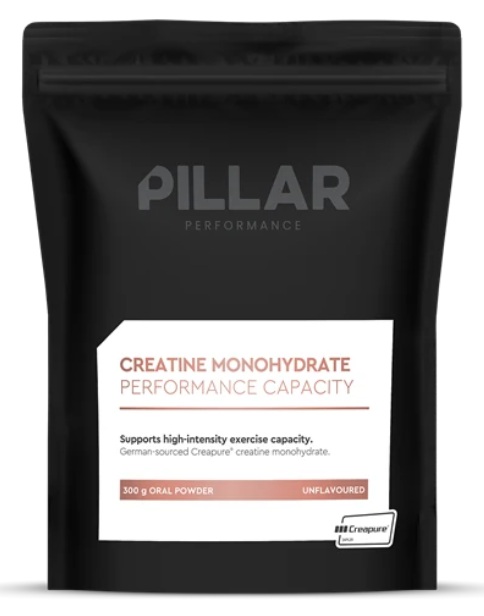
My Recommendation
I take Pillar Prformance Creapure Creatine Monohydrate Powder which uses Creapure® from Germany, the purest form of creatine monohydrate available and widely considered to be the gold standard. Buy online…